
For many people starting out in sales, B2B can feel unclear or unnecessarily complex. Deals take longer than expected, conversations involve more people, and progress can stall without obvious reasons. Prospects may sound interested, yet decisions are delayed, budgets are questioned, and momentum fades away. This often leaves sales professionals wondering whether they are doing something wrong or missing a key part of the process.
B2B sales are different from consumer sales because the stakes are higher and the decisions are shared. Buyers are balancing risk responsibility, and long term impact on their business. Understanding how B2B sales actually works helps remove frustration and replace guesswork with structure. This guide explains what B2B sales means, how the process typically unfolds, and what beginners need to focus on to build confidence, credibility, and consistent progression over time.
What Is B2B Sales?
B2B sales refers to the process of selling products or services from one business to another. Instead of selling to individual consumers, the buyer is usually an organisation that needs a solution to support operations, growth or performance. These decisions are rarely impulsive and are often tied to budgets, long term planning and internal approval.
In practice, B2B sales focuses on value rather than volume. Buyers want to understand how a solution fits their business, reduces risk or improves outcomes. This means the sales conversation is more detailed and more consultative. Trust and clarity matter just as much as price.
What Does B2B Sales Mean In Practice?
In day to day terms, B2B sales involves longer conversation, multiple touchpoints, and ongoing relationship building. A single sale may include discovery calls, demonstrations, proposals, internal discussions, and follow ups over weeks and months.
The salesperson is rarely speaking to just one person. Each contact has different concerns, priorities and levels of influence. Understanding who is involved and what they care about becomes essential. Progress happens when the sales professional helps the buyer make sense of their decision, rather than pushing for a quick outcome.
How Does B2B Sales Work?
B2B sales works through a structured process that guides prospects from initial interest to confident commitment. It usually starts with lead generation, followed by qualification to assess fit and readiness. From there, conversations move into deeper discovery, solution alignment, and proposal development.
The process works best when each stage has a clear purpose. When stages are vague or rushed, prospects lose confidence and delay their decision. A well managed B2B sales process creates clarity for both sides and keeps momentum moving forward.
Why B2B Sales Takes Longer Than You Expect
B2B sales take longer because the decision carries more responsibility. Buyers are often accountable to colleagues, senior leaders or boards. They need reassurance that the decision is sensible, defensible, and aligned with wider goals.
Time is spent comparing options, assessing risk and confirming budgets. Delays are not always objections. In many cases, they are signs that the buyer needs more clarity or confidence before moving ahead.
What Is A B2B Sales Process?
A B2B sales process is a defined sequence of steps that supports consistent progress. It provides structure to conversations and helps sales professionals understand what needs to happen next.
A clear process allows buyers to feel guided rather than pressured. When expectations are set early and progress is visible, decision making becomes easier and more collaborative.
The Role Of The B2B Sales Pipeline
The B2B sales pipeline represents the stages a prospect moves through on their journey to becoming a customer. Each stage reflects a level of engagement and commitment.
A healthy pipeline shows where opportunities are progressing and where they are stalling. It also helps sales teams forecast outcomes more accurately and focus effort where it matters most.
Why A B2B Sales Pipeline Is Important
A well structured pipeline:
- Helps sales professionals stay organised and objective
- Prevents deals from sitting in limbo
- Encourages meaningful follow ups based on progress
For beginners, the pipeline offers reassurance. It shows that slow movement does not mean failure, as long as each stage is handled properly and with purpose.
Who Is Involved In B2B Sales Decisions?
B2B buying decisions often involve several people with different roles. Some influence the choice, others approve budgets, and some focus on implementation or risk.
Successful B2B sales requires awareness of these dynamics. Progress depends on addressing the concerns of each stakeholder and helping the buyer align internally before committing.
Common Challenges In B2B Sales
One of the most common challenges is stalled momentum. Prospects express interest but delay action without clear reasons. Another challenge is competing priorities, where buying your solution is important but not urgent.
Lack of trust can also slow progress. Buyers want reassurance that the salesperson understands their business and is offering genuine guidance rather than generic advice.
Trust & Credibility In B2B Sales
Trust is built through consistency, clarity and professionalism. Buyers need to feel that the salesperson respects their decision making process and understands the pressures they face.
Credibility comes from asking thoughtful questions, listening carefully, and offering relevant insight. When trust is established, buyers are more willing to move forward with confidence.
How To Generate Leads In B2B Sales
Lead generation in B2B sales works best when it focuses on relevance rather than volume. Prospects are more responsive when they see a clear connection between their challenges and the conversation being offered.
Effective lead generation often includes:
- Referrals
- Content
- Networking
- Targeted outreach
The goal is to start conversations that feel useful, not intrusive.
How To Prospect For B2B Sales Without Burning Bridges
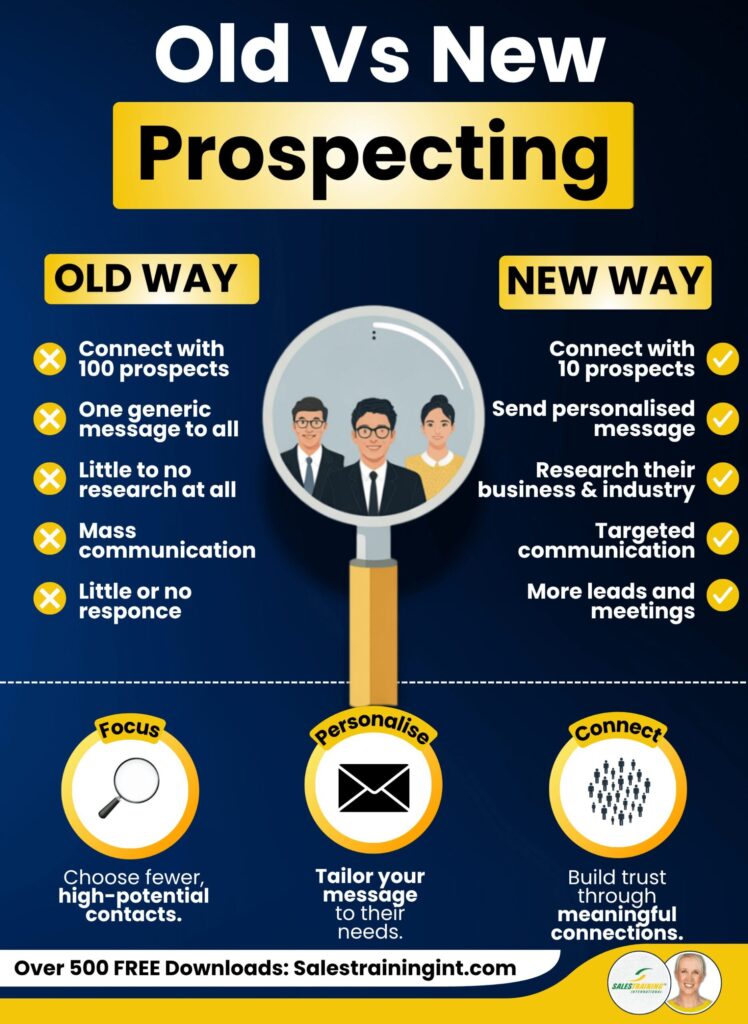
Prospecting should feel respectful and informed. Cold outreach that ignores context or timing often damages trust before it has a chance to form.
A better approach is to research the prospect, reference relevant challenges, and offer a reason for the conversation. Even when the timing is not right, a positive first interaction keeps the door open.
How To Build A B2B Sales Pipeline That Actually Converts
A converting pipeline is built on qualification and follow through. Opportunities should only progress when there is genuine engagement and mutual interest.
Clear next steps matter. When buyers understand what happens next and why it matters, momentum is easier to maintain.
How To Shorten A B2B Sales Cycle Without Pressure
Shortening the sales cycle is about removing uncertainty, not increasing urgency artificially. Buyers move faster when expectations are clear and risks are addressed early.
This often means discussing timelines, decision criteria, and internal approval processes sooner rather than later. Clarity reduces hesitation.
How To Improve B2B Sales Performance Consistently
Consistent performance comes from reflection and adjustment. Sales professionals who review conversations, outcomes, and missed opportunities improve faster than those who rely on instinct alone.
Small changes in questioning, follow up, or positioning can have a significant impact over time.
How To Improve B2B Sales Skills Over Time
B2B sales skills develop through practice, feedback and structured learning. Experience alone is not enough if habits are not examined.
Training helps sales professionals understand why certain approaches work and how to adapt them to different situations.
How To Be Successful In B2B Sales Long Term
Long term success in B2B sales comes from patience and professionalism. Relationships compound over time, and reputation matters.
Salespeople who focus on helping buyers make confident decisions tend to build stronger pipelines and more sustainable results.
The Role Of Sales Training In B2B Success
Sales training provides structure, language and confidence. It helps sales professionals navigate complex conversations with clarity and purpose.
At Sales Training International, we see consistent results when individuals and teams invest in developing their approach rather than relying on tactics alone. Professional sales training helps turn knowledge into behaviour that works in real conversations.
What B2B Sales Really Is
B2B sales is not about pushing products or chasing quick wins. It is about understanding businesses, guiding decisions, and building trust over time.
For those who want to improve confidence, shorten sales cycles, and create better outcomes, developing skills through sales training, coaching, consultancy, face to face training, and virtual training provides a clear path forward.
You can explore our free sales resources or speak to our team by calling 01704 889325, emailing info@salestrainingint.com, or filling in our online contact form.